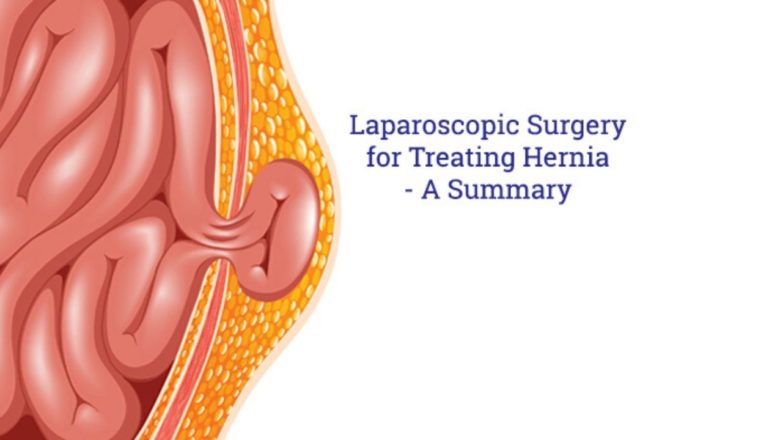
How is hernia surgery performed? A hernia occurs when a weak area of muscle allows an organ or tissue to protrude through it. The abdomen is the most common site. A herniorrhaphy, also known as a hernioplasty, is a procedure that is a hernia removal surgery. The displaced tissue is reintroduced into the body during
Laparoscopic hernia surgery is a minimally invasive surgical technique used to repair and correct herniated tissues. This procedure uses small keyhole size incisions on the abdomen through which tools including a laparoscope, a cannula, or a thin tube with a camera at the end, are used to perform the procedure. Sometimes, a mesh is used
After hernia surgery, a bigger stomach may be due to post-operative swelling, fluid retention, or temporary bloating caused by anesthesia and medications. The healing process can also lead to inflammation, making the abdominal area appear larger. In some cases, trapped gas from laparoscopic procedures or changes in diet during recovery may contribute to bloating. Additionally,
Hernias are severe conditions where holes form in the muscle or connective tissues known as fascia. A hernia is a disorder in which soft internal organs and fat tissues inside the body squeeze through these weak muscle holes. These can be very painful and lead to severe difficulties in the future. Hernia surgery treats hernias
What is a Hernia? A hernia is a gap or weakness in the muscles of the abdominal wall. Due to this the inside fat, organs, intestines etc can bulge out on straining. What are the common sites of Hernia? There are several sites of hernia formation the common ones being the groins (inguinal or femoral