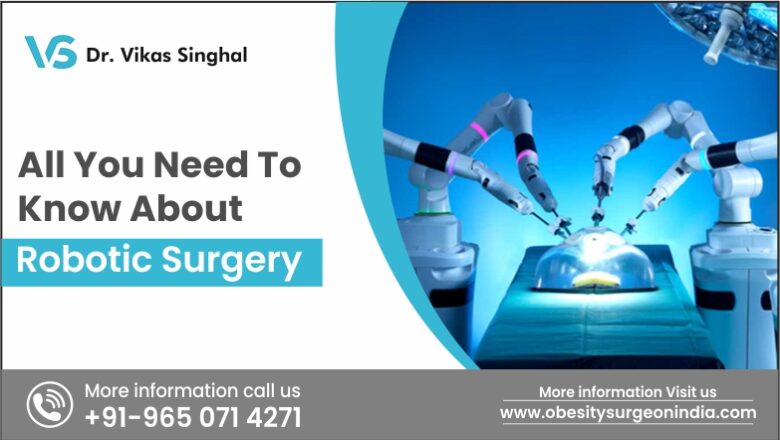
Robotic surgery, which is also referred to as robot-assisted surgery, helps doctors carry out various complex procedures with much more flexibility, precision, and control, which is impossible with conventional techniques. Thus, complicated procedures have been made easier due to robotic surgeries. Robotic surgery is minimally invasive, and a computer-controlled robot is utilized to perform specific
How is hernia surgery performed? A hernia occurs when a weak area of muscle allows an organ or tissue to protrude through it. The abdomen is the most common site. A herniorrhaphy, also known as a hernioplasty, is a procedure that is a hernia removal surgery. The displaced tissue is reintroduced into the body during
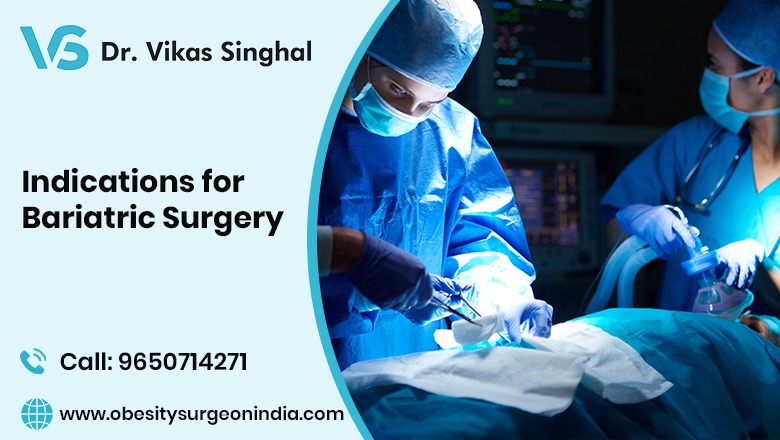
Bariatric surgery refers to surgical interventions that aid in weight loss by making structural changes to the digestive system and how it works. Read on to find out how it’s done, the 4 types of bariatric surgery, and their specific advantages. This type of surgery is performed in patients who are morbidly obese and must
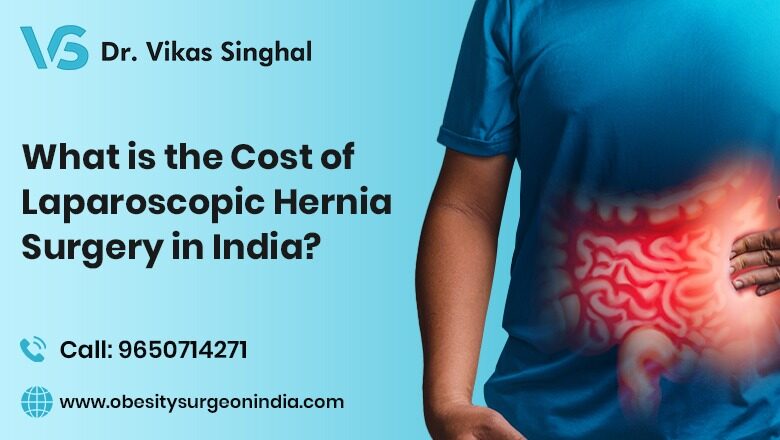
Laparoscopic hernia surgery is a minimally invasive surgical technique used to repair and correct herniated tissues. This procedure uses small keyhole size incisions on the abdomen through which tools including a laparoscope, a cannula, or a thin tube with a camera at the end, are used to perform the procedure. Sometimes, a mesh is used
Diabetes is one of the leading causes of death worldwide. About 1.5 million deaths are reported annually whose direct cause is Diabetes. Diabetes is not only a condition that can be detrimental to health but can cause various other systemic complications. Ultimately, the ability of the body to stabilize blood sugar levels is affected. The
Are you unable to lose weight despite prolonged exercising, dieting, or other weight reduction tactics? Bariatric surgery is considered when exercise or diet has not helped reduce weight or being overweight is causing other chronic health conditions. Bariatric surgery involves changes in the stomach, and digestive tract, limiting the food intake and reducing the ability
After hernia surgery, a bigger stomach may be due to post-operative swelling, fluid retention, or temporary bloating caused by anesthesia and medications. The healing process can also lead to inflammation, making the abdominal area appear larger. In some cases, trapped gas from laparoscopic procedures or changes in diet during recovery may contribute to bloating. Additionally,
Hernias are severe conditions where holes form in the muscle or connective tissues known as fascia. A hernia is a disorder in which soft internal organs and fat tissues inside the body squeeze through these weak muscle holes. These can be very painful and lead to severe difficulties in the future. Hernia surgery treats hernias
Many organs play important roles in the digestion of our food. The gallbladder is one such organ that is essential for digestion. It is an organ located on the right side of the body underneath the liver. Its primary role is to collect and store bile. Bile is a digestive fluid produced by the liver
Hernia repair surgery is a common procedure performed to restore the structural integrity of weakened or torn abdominal muscles. One of the most effective methods used in modern hernia repair is the implantation of hernia mesh, which provides support and reinforcement to the affected area. Choosing the ideal mesh for hernia repair depends on multiple factors,